
Every parent knows the struggle of a fussy baby, and that’s where the pacifier swoops in like a superhero. It’s the ultimate tool for soothing those tiny tantrums, but it’s also a topic of heated debate among caregivers. Some swear by it, while others raise an eyebrow at the thought of their little one becoming a permanent pacifier aficionado.
Overview of Pacifier Use
Pacifiers serve as a common tool for soothing fussy infants. Many parents rely on pacifiers to help babies self-soothe and settle. Benefits often include a reduced risk of sudden infant death syndrome (SIDS) when used during sleep. Research indicates that pacifier use can provide comfort and security, particularly during stressful situations such as teething.
Some caregivers raise concerns about the potential for long-term dependence on pacifiers. Many children may become accustomed to pacifiers and show resistance when it’s time to transition away from them. Parents frequently debate the appropriate age for weaning off pacifier use. Recommendations suggest gradually decreasing usage around 6 to 12 months.
Pediatricians advise monitoring the frequency of pacifier use to avoid dental issues. Excessive use can lead to potential impacts on oral health. Regular check-ups allow for discussions about individual child needs and concerns related to pacifiers.
An alternative method for soothing is using other comforting items like stuffed animals or blankets. These options can provide similar comfort without the risk of dependency linked to pacifiers. Different approaches suit different families, and what works for one child may not work for another.
Overall, the conversation around pacifier use remains nuanced, balancing benefits with potential drawbacks. Caregivers continue to evaluate their personal experiences and the comfort needs of their children.
Benefits of Pacifier Use
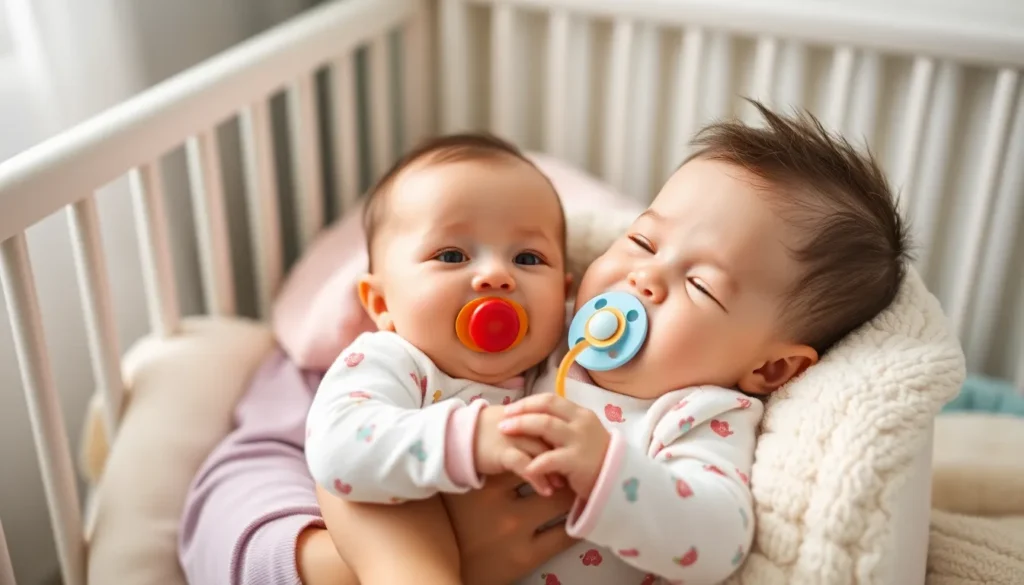
Pacifiers offer various advantages for infants, particularly in soothing and comforting them through challenging moments.
Soothe and Comfort Infants
Pacifiers can effectively soothe fussy infants. They provide a calming effect during stressful situations such as teething, allowing babies to self-soothe. Using a pacifier may also help infants settle down during diaper changes or transitions. Many parents find that offering a pacifier creates a sense of security and comfort for their babies. While alternative soothing methods exist, the immediate relief a pacifier provides often makes it a preferred choice for caregivers.
Potential for Reduced SIDS Risk
Research indicates that pacifier use during sleep may reduce the risk of sudden infant death syndrome (SIDS). According to a study published in the journal Pediatrics, having a pacifier in a baby’s mouth while sleeping can create a protective effect against SIDS. Parents should introduce pacifiers at nap time and night sleep to maximize the benefits. This protective factor gives many caregivers greater peace of mind as they prioritize their child’s safety during sleep. Pediatricians emphasize this potential advantage, advocating for monitored pacifier use as a simple preventive measure.
Risks Associated with Pacifier Use
Pacifier use presents several risks that caregivers should consider. Understanding these risks helps in making informed decisions regarding their children’s comfort needs.
Dental and Oral Health Issues
Dental and oral health issues can arise from prolonged pacifier use. Misalignment of teeth often occurs when babies use pacifiers for extended periods, especially beyond the age of two. This misalignment can lead to problems with bite and overall oral functionality. The American Academy of Pediatric Dentistry notes that thumb-sucking and pacifier use past a certain age may significantly impact dental health. Additionally, using pacifiers excessively can cause changes in oral tissue, leading to possible speech delays or difficulties later on. Caregivers should monitor their child’s pacifier use and consult dental professionals if concerns arise.
Dependency Concerns
Dependency concerns often affect both caregivers and children as they navigate pacifier use. Over-reliance on pacifiers for comfort may develop, making it difficult for children to self-soothe without them. Gradual weaning from pacifier use might require deliberate effort, particularly if the child is strongly attached to this comfort object. According to pediatricians, strong habits may form by the age of three, complicating the transition away from pacifiers. Many children resist giving them up, leading to potential emotional distress. Establishing a balanced approach to pacifier use helps minimize dependency while fostering independent self-soothing techniques.
Guidelines for Pacifier Use
Pacifiers can play a valuable role in soothing infants. Following established guidelines ensures their effective use.
When to Introduce a Pacifier
Introduce a pacifier around 2 to 4 weeks after birth. Timing allows breastfeeding to establish without interference. Many experts endorse this approach, emphasizing the importance of avoiding nipple confusion. Observing baby’s cues helps determine readiness. If parents notice their infant struggling to self-soothe, a pacifier may provide help. They can offer comfort during stressful moments, especially in the early weeks. Caregivers should choose an age-appropriate pacifier that meets safety standards.
Duration of Use Recommendations
Recommendations suggest gradually reducing pacifier use as the baby grows. Aim for a decrease around 6 to 12 months. Pediatricians highlight monitoring frequency to prevent dental issues. Limiting usage as children approach age two helps avoid dependency. Continuous use past this age can lead to alignment problems and speech delays. Establishing a balance encourages self-soothing without fostering reliance. Parents should remain attentive to their child’s comfort needs while considering these guidelines.
Navigating pacifier use involves weighing its benefits against potential drawbacks. Parents often find pacifiers invaluable for soothing fussy infants while also providing comfort during challenging times. However it’s crucial to remain mindful of the risks associated with prolonged use, including dental issues and dependency.
Establishing a balanced approach allows caregivers to enjoy the soothing effects of pacifiers without compromising their child’s long-term well-being. By monitoring usage and gradually reducing reliance, parents can foster independent self-soothing skills. Ultimately the decision around pacifier use should align with each family’s unique needs and experiences, ensuring a nurturing environment for their child.


