In the world of tech visionaries, few are as polarizing as Steve Jobs. The film “Steve Jobs” dives deep into the genius and the madness behind Apple’s iconic co-founder. It’s not just a biopic; it’s a rollercoaster ride through the highs and lows of innovation, filled with witty banter and dramatic moments that’ll keep viewers on the edge of their seats.
Overview of Watch Steve Jobs (Film)
“Steve Jobs” delves deep into the life of Apple’s co-founder, showcasing the intricacies of his personality and career. The film presents Jobs as both an inventive genius and a polarizing figure. Significant moments unfold in an engaging narrative that captures the audience’s attention through humor and drama.
The film is structured around three key product launches: the Macintosh in 1984, the NeXT Computer in 1988, and the iMac in 1998. Each act focuses on Jobs’s interactions with colleagues, family, and friends, revealing his complex relationships and leadership style. Viewers witness the tension between innovation and personal flaws, illustrating how these elements shaped his vision for Apple.
Michael Fassbender stars as Jobs, delivering a compelling performance that reflects the character’s relentless drive. Kate Winslet plays Joanna Hoffman, providing a critical perspective on Jobs’s actions. Their dynamic adds depth to the story, enhancing the emotional stakes.
Directed by Danny Boyle and penned by Aaron Sorkin, the film employs sharp dialogue and visual storytelling techniques. Critical reception highlights its ability to elevate a biographical narrative into a dramatic experience. This approach enables audiences to engage with Jobs’s legacy on a personal level, moving beyond mere facts and dates.
The film “Steve Jobs” offers an in-depth look at a man whose vision revolutionized technology, intertwining personal and professional struggles into a captivating tale. The blend of performance, direction, and writing creates a memorable cinematic experience, ensuring the film resonates with viewers.
Plot Summary
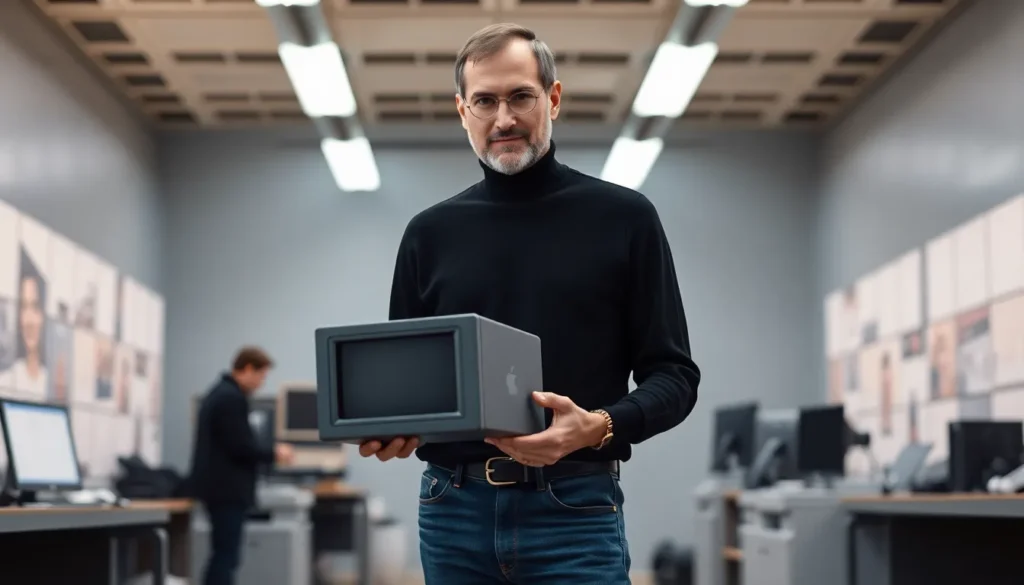
The film “Steve Jobs” examines the intricate dynamics of Apple’s co-founder and his influential career. This narrative unfolds through three pivotal product launches, focusing on the development of the Macintosh in 1984, the NeXT Computer in 1988, and the iMac in 1998. Each act offers a unique glimpse into Jobs’s relationships with colleagues, family, and friends, portraying his complexities as a leader and innovator.
Main Characters
Michael Fassbender inhabits the role of Steve Jobs, capturing his contradictions and brilliance. Joanna Hoffman, played by Kate Winslet, provides a crucial perspective as Jobs’s confidante and business colleague. Other notable characters include Steve Wozniak, portrayed by Seth Rogen, who represents the collaborative spirit of early Apple. Each character contributes significantly to the film’s exploration of Jobs’s influence and interpersonal conflicts.
Key Themes
Ambition and innovation dominate the film’s thematic landscape. The tension between personal relationships and professional aspirations emerges vividly, illustrating how Jobs balances relentless drive with strained connections. Identity also plays a crucial role, as Jobs grapples with his past while shaping Apple’s future. This struggle reveals the complexity of genius, blending ambition with vulnerability, ultimately forging a compelling narrative that resonates deeply with audiences.
Cinematic Techniques
The film “Steve Jobs” employs various cinematic techniques that enhance its storytelling and emotional depth. Direction and cinematography play crucial roles in crafting the film’s unique atmosphere.
Direction and Cinematography
Danny Boyle’s direction creates a dynamic narrative flow through effective pacing and visual composition. Cinematographer Alwin Küchler uses natural light and stark contrasts to depict the tension within Jobs’s life. Close-up shots illustrate characters’ emotions, while wide shots provide context for the elaborate product launches. The choice of handheld camera movements adds a sense of immediacy, drawing viewers into the action. Each scene’s framing reflects Jobs’s complex personality and intense relationships. Visual storytelling complements the sharp dialogue, making the film a compelling experience.
Music and Sound Design
Music serves as a powerful tool in “Steve Jobs,” enhancing the emotional weight of key moments. Daniel Pemberton’s score blends orchestral elements with modern sounds, reflecting the film’s themes of innovation and ambition. Sound design further enriches the narrative, with realistic audio effects immersing viewers in each product launch’s atmosphere. The juxtaposition of silence and music heightens dramatic tension, allowing audiences to connect with characters’ inner struggles. Effective use of sound elevates pivotal scenes, transforming the viewing experience into a deeply resonant one.
Critical Reception
The film “Steve Jobs” received varied responses from audiences and critics alike. Its narrative style and character exploration sparked thoughtful discussions.
Audience Reactions
Audience members praised the performances, particularly that of Michael Fassbender, who captured the essence of Jobs. Many viewers appreciated the film’s engaging storytelling, which juxtaposed Jobs’s personal struggles with his professional achievements. Some noted the emotional depth in the interactions between characters. The focus on key moments in Jobs’s life resonated with tech enthusiasts and casual viewers, bridging the gap between admiration and critique. Overall, reactions emphasized a blend of enjoyment and contemplation, reflecting Jobs’s complex legacy.
Reviews from Critics
Critics generally lauded the film’s direction and screenplay, highlighting Aaron Sorkin’s incisive dialogue and Danny Boyle’s dynamic visual style. Reviewers pointed out that the film transcended typical biographical narratives, instead presenting a nuanced portrait of its subject. Several noted the film’s ability to blend humor with drama, making it both entertaining and thought-provoking. Many critiques centered on the insightful depiction of Jobs’s relationships. Overall, the critical consensus affirmed that “Steve Jobs” effectively captured the essence of a transformative figure in technology.
“Steve Jobs” stands out as a compelling exploration of a complex figure whose influence reshaped technology. It masterfully balances the genius of Jobs with his personal struggles, creating a narrative that’s both engaging and thought-provoking. The film’s dynamic storytelling and strong performances elevate it beyond a standard biopic.
Through its innovative cinematic techniques and sharp dialogue, it captures the essence of ambition and vulnerability. Viewers are left with a deeper understanding of the man behind the brand, making the film not only a tribute to Jobs’s legacy but also a reflection on the nature of innovation itself. This captivating portrayal continues to resonate, inviting audiences to reflect on the intricacies of genius and the sacrifices that come with it.