When it comes to college football, the excitement isn’t just about the touchdowns and tackles; it’s also about the logos that represent these fierce teams. Each logo tells a story, captures tradition, and sometimes even makes you chuckle. From fierce mascots to intricate designs, these logos have a way of sticking in fans’ minds—sometimes even more than the score of the game!
Overview of College Football Teams Logos
College football teams logos serve as symbols of pride and community. They reflect the history and values of each institution, showcasing unique stories through design. Teams often draw inspiration from school colors, mascots, and local culture when creating these logos.
Logos contribute to branding efforts, establishing a visual identity that resonates with fans. Certain logos become iconic representations, instantly recognizable and associated with specific values. Distinctive design elements enhance these logos, setting teams apart from their competitors.
The emotional impact of college football logos cannot be overstated. Fans connect deeply with their teams through these symbols, sparking loyalty and enthusiasm. Whether seen on jerseys, merchandise, or stadium banners, logos evoke pride and revive shared memories during game days.
Creativity plays a vital role in logo design. Artists and designers strive to innovate while remaining true to tradition. Many institutions rebrand over the years, refreshing logos to keep pace with contemporary aesthetics while honoring history.
Fan engagement is further amplified through social media. Teams utilize their logos to promote merchandise and build a community online. This connection fosters interactions that strengthen fan relationships beyond the football field.
Overall, college football logos embody more than just graphic representations. They tell stories, evoke emotions, and represent a culture that thrives throughout college sports. Through careful design and passionate support, these logos remain central to the experience of collegiate athletics.
Evolution of Logos
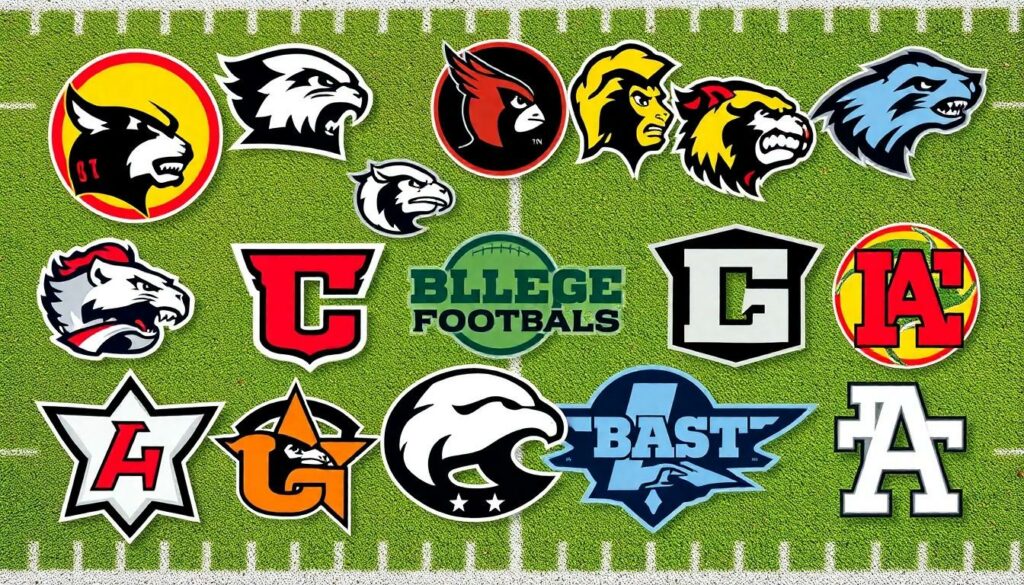
College football logos have transformed significantly, reflecting changes in design trends, technology, and fan engagement. Many logos have histories that span decades, showcasing how institutional identity adapts over time.
Historical Development
Logos initially featured simple designs often focused on letters or basic symbols. Institutions prioritized clarity and recognizability to help fans identify their teams easily. Over the years, artists began integrating more intricate elements, such as mascots and unique color palettes, to foster stronger connections with communities. In the mid-20th century, animation and graphics technology allowed for more dynamic logo adaptations. Schools embraced creative styles, often influenced by prevailing cultural movements and art trends. Such historical shifts laid the foundation for the rich tapestry of designs seen today.
Modern Trends
Current logo trends emphasize minimalism and versatility, catering to diverse digital platforms. Clean lines and bold colors dominate modern designs, facilitating easier recognition across merchandising and social media. Teams often incorporate retro elements, blending nostalgia with contemporary aesthetics. Dynamic logos can adapt for various applications, maintaining brand integrity while appealing to younger audiences. Environmental awareness influences some designs as schools reflect sustainable practices in their visual identities. Leveraging social media further enhances fan interaction, as logos become symbols for community and engagement.
Design Elements of Logos
Design elements play a crucial role in shaping the identity of college football logos. Each component contributes to the overall visual impact and significance.
Color Schemes
Color schemes establish immediate recognition for college football teams. Schools often select hues that reflect their history and spirit, fostering loyalty among fans. For instance, the vibrant blue and maize of the University of Michigan evokes a sense of pride and tradition. These colors aren’t just decorative; they symbolize the values and culture associated with the institution. Effective logos utilize contrasting colors to enhance visibility, making them memorable. Palette choices can also convey emotions, with bold colors instilling energy while softer tones might evoke calmness.
Typography
Typography contributes significantly to logo identity, influencing how fans perceive the team. Distinctive fonts help communicate a team’s character, whether it’s a bold typeface for strength or a more elegant script for tradition. For example, the block lettering seen in many logos provides clear recognition from a distance. Teams often customize fonts to include unique elements that tie back to their heritage. Readability remains paramount, especially when showcased on uniforms and merchandise. Skilled designers emphasize clarity and alignment with the overall branding strategy.
Mascots and Symbols
Mascots and symbols serve as central icons within college football logos. Often representing local culture, these elements create emotional connections for fans. For example, the live bear mascot of California exemplifies this strong bond. Each symbol tells a story associated with the school’s legacy or geographic roots. Logos frequently incorporate these mascots alongside their name, allowing fans to instantly associate the two. Effective designs ensure that mascots are recognizable at different sizes, facilitating versatility across various applications from apparel to digital media.
Impact of Logos on Team Identity
College football logos significantly influence team identity and community connection. These logos play a crucial role in capturing the essence of each team’s spirit.
Fan Engagement
Fans often form deep emotional bonds with their teams through logos. Team logos serve as rallying points during games and events, uniting supporters and fostering a sense of belonging. Merchandise prominently features logos, making apparel and gear popular among fans. Social media platforms amplify this engagement, as teams share logo-related content that resonates with their community. Creative campaigns featuring logos encourage fans to participate, whether through contests or showcasing personal experiences. The enduring presence of logos at events and gatherings ensures they remain central to the culture, enhancing fan loyalty and excitement.
Marketability
Marketability directly links to the strength of a team’s logo. Strong logos attract sponsors and partnerships, contributing to revenue streams for programs. The visual appeal of logos can elevate merchandise sales significantly. Schools leverage their logos in marketing campaigns to reach diverse audiences, effectively boosting brand recognition. Creative designs capture attention, making products more desirable. Team identities tied to distinctive logos enable universities to create lasting impressions in the competitive sports market. Logos often evolve to adapt to trends, ensuring ongoing relevance and appeal, which enhances merchandise value and market presence.
Iconic College Football Logos
College football logos capture the essence of their teams, showcasing pride and tradition in vibrant designs.
Most Recognizable Logos
Intense rivalry often defines college football, and iconic logos contribute significantly to these narratives. The Michigan Wolverines’ winged helmet stands out, symbolizing tradition and excellence. The Notre Dame Fighting Irish’s leprechaun embodies spirit and determination, resonating with fans. The Texas Longhorns’ distinctive orange and white logo is synonymous with grit. Auburn University’s tiger logo signifies fierce competition and passion, while Alabama’s interlocking “AU” represents unity. Each logo tells a unique story that fans proudly display, creating an undeniable connection to their team’s identity. Recognition extends beyond games, as these logos often adorn merchandise, solidifying their presence in both markets and communities.
Case Studies of Successful Rebrands
Successful rebranding efforts reflect a team’s evolution while honoring its legacy. In 2016, the Ohio State Buckeyes unveiled a modernized logo that retained familiar elements, strengthening brand identity without sacrificing tradition. Similarly, the Oregon Ducks embraced a dynamic and sleek logo in their 2010 rebrand, symbolizing speed and agility. Arizona State University rebranded in 2016, adopting a fresh design that emphasizes innovation and student engagement, which revitalized the fan experience. Each rebrand builds a deeper connection with supporters, ensuring relevance in an ever-evolving landscape. Engaging fans through these transformations maintains enthusiasm while appealing to new audiences, fostering long-term loyalty.
College football logos are more than just symbols; they embody the spirit and traditions of their respective teams. These logos create emotional connections with fans and serve as rallying points that unite communities. As teams evolve and adapt to modern trends, the essence of their logos remains rooted in history and pride.
The artistry behind these designs reflects a commitment to innovation while honoring legacy. Whether through bold colors, unique typography, or iconic mascots, each logo tells a story that resonates deeply with supporters. In a competitive landscape, strong logos not only enhance team identity but also drive marketing success, ensuring they remain relevant in the hearts of fans for generations to come.